
 400-6027-270
产品信息
| 蛋白质全称 | BPI折叠家族B成员2 |
|---|---|
| 别名 | PIL1, C20orf184, LPLUNC2, RYSR |
| Uniprot ID | Q8C1E1 |
| 免疫原 | KLH偶联的小鼠BPIL1合成肽 |
| 抗体亚型 | IgG |
| 纯化方式 | 亲和纯化 |
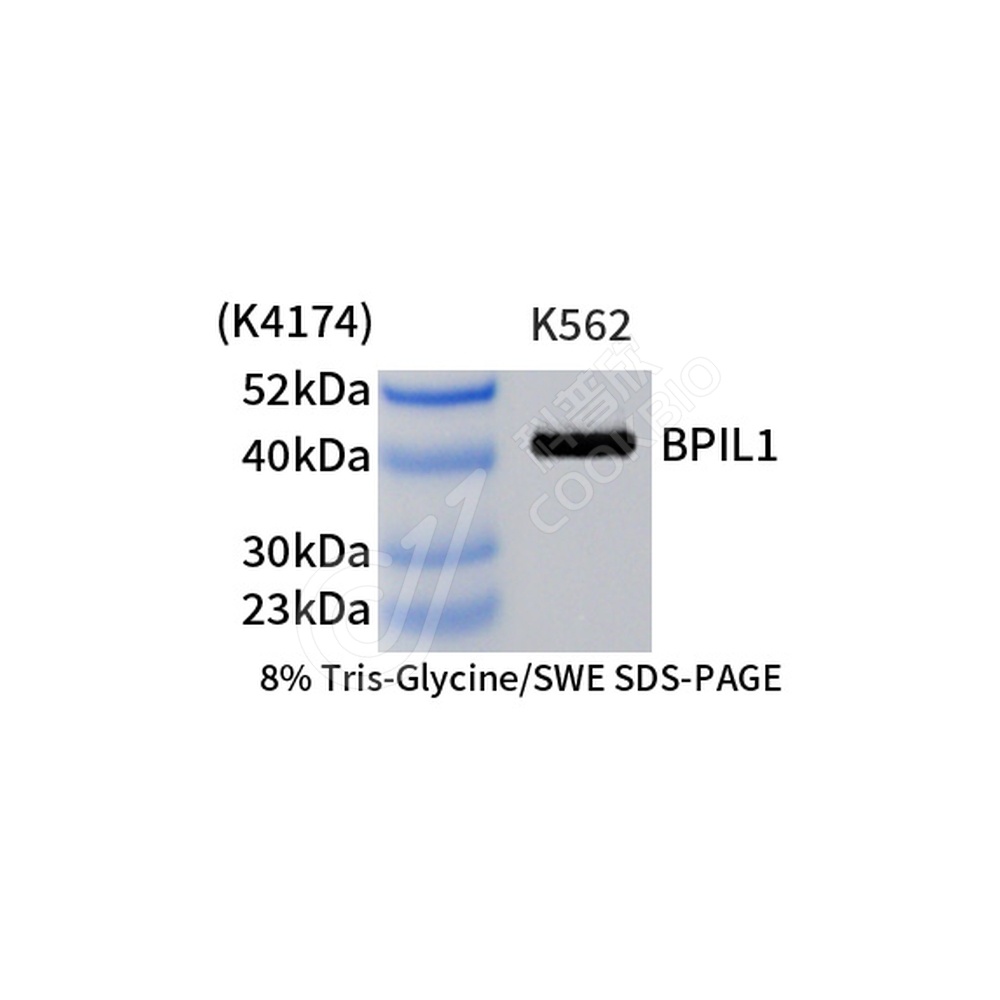
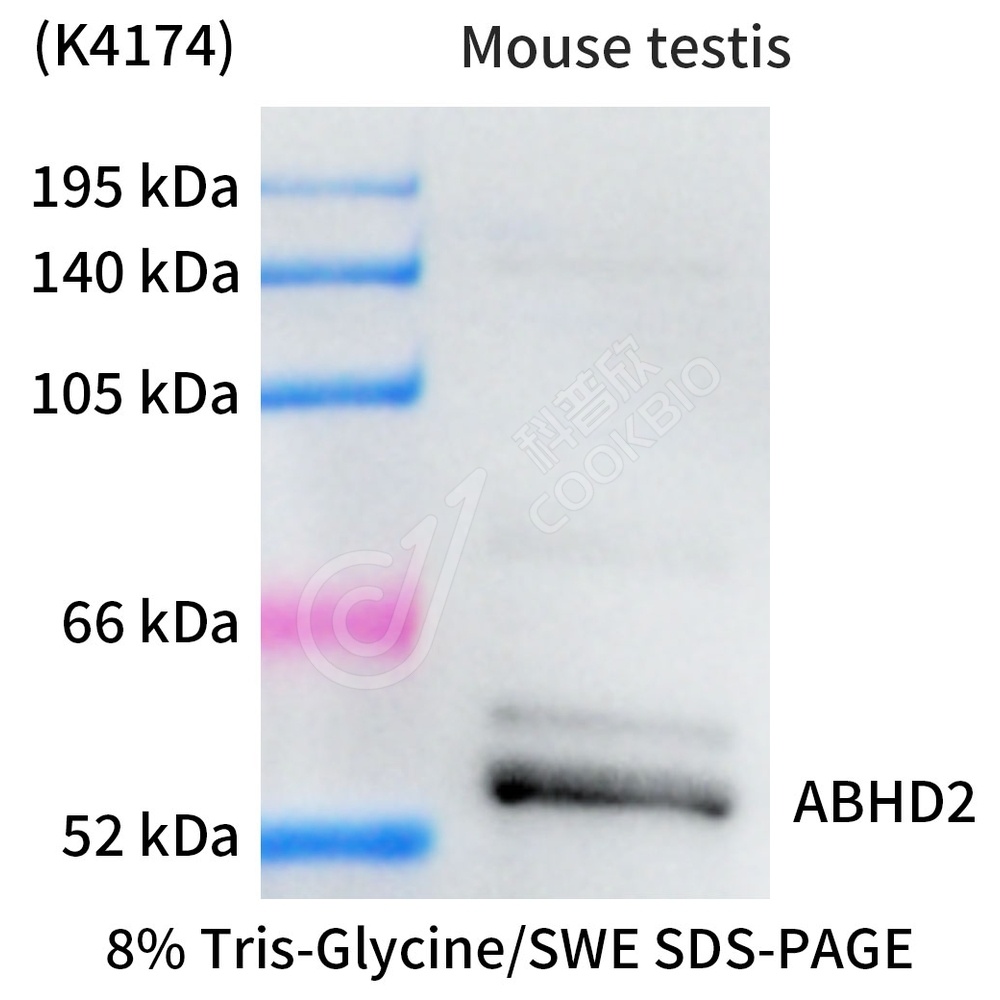
| 预测分子量./观测分子量. | 50 kDa / 50 kDa |
应用
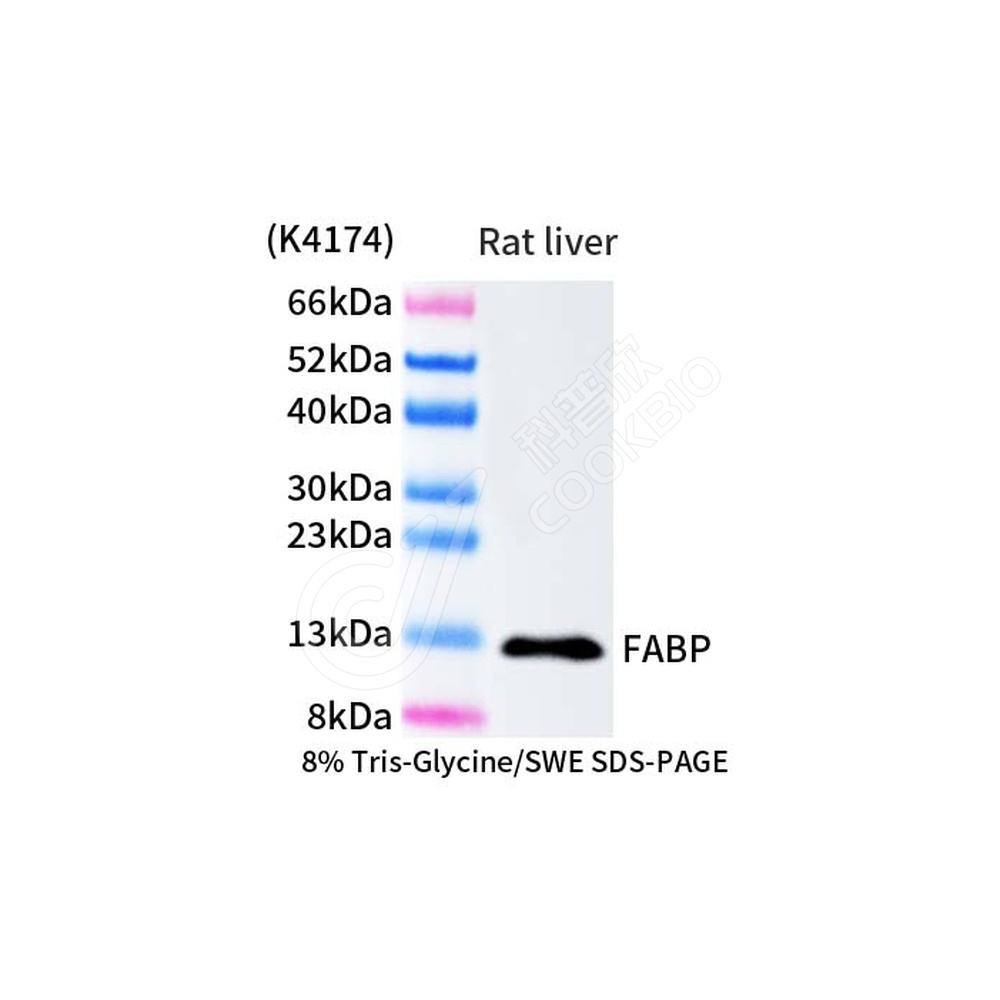
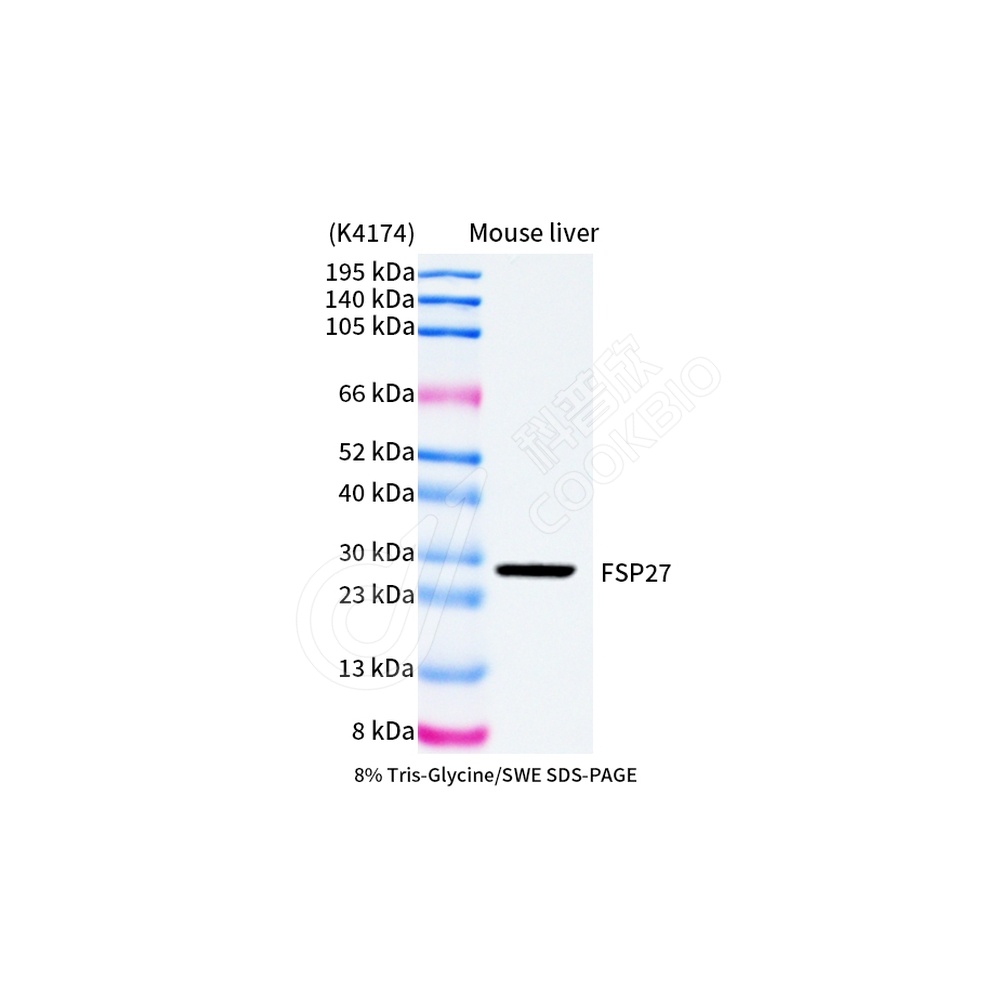
WB 免疫印迹
物种:人
稀释比:1: 2000-1: 3000
阳性样品:
背景
Members of the bactericidal/permeability-increasing protein family have antimicrobial properties and bind lipophilic substances, therefore targeting gram-negative bacteria. The bactericidal permeability increasing protein (BPI) is an antibacterial and endotoxin-neutralizing molecule that is abundant in the granules of polymorphonuclear leukocytes (neutrophil granules). Sharing structural and sequence homologies with BPI, BPIL1 (bactericidal/permeability-increasing protein-like 1) is a 458 amino acid secreted protein that contains the family’s common conserved feature of two cysteine residues that are critical for protein function.
储存条件
储存条件:-20℃下储存一年, 避免反复冻融.
储存缓冲液:含0.15% ProClin300防腐剂, 100 μg/mL牛血清白蛋白和50%甘油的磷酸盐缓冲液.
图像

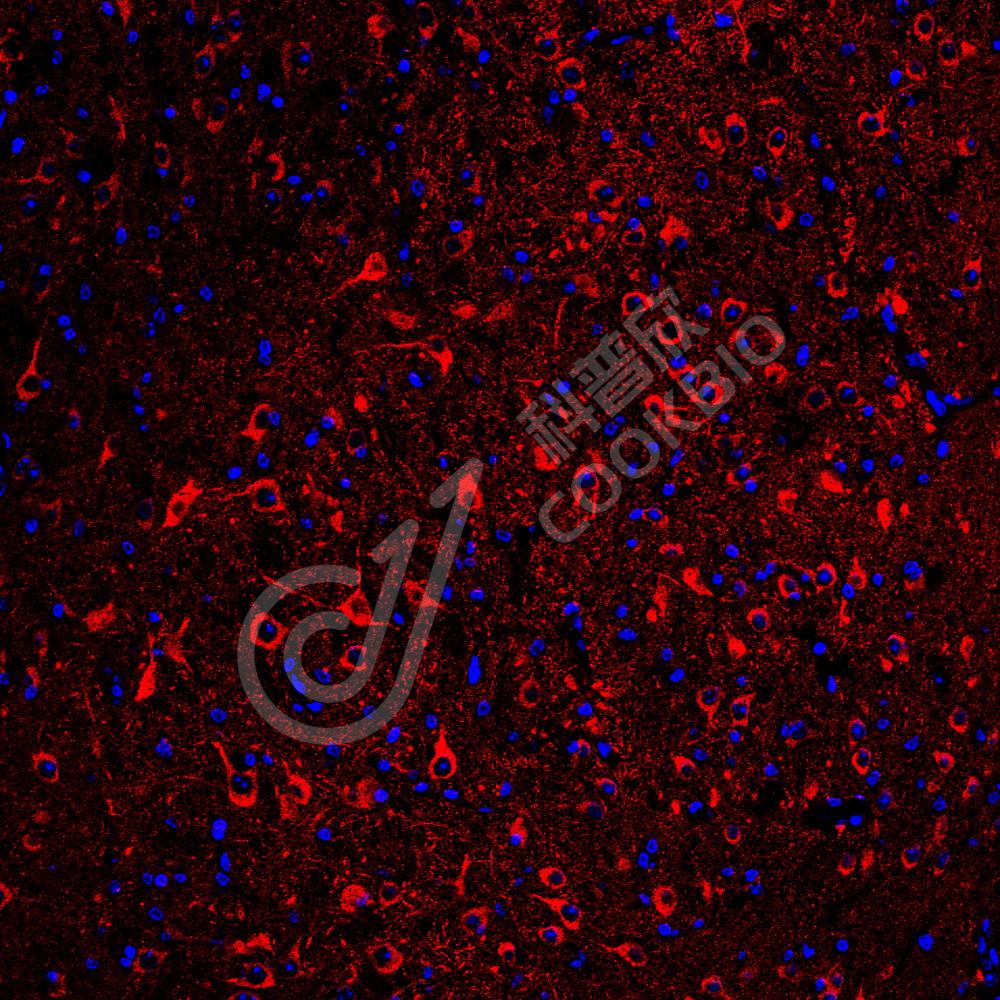
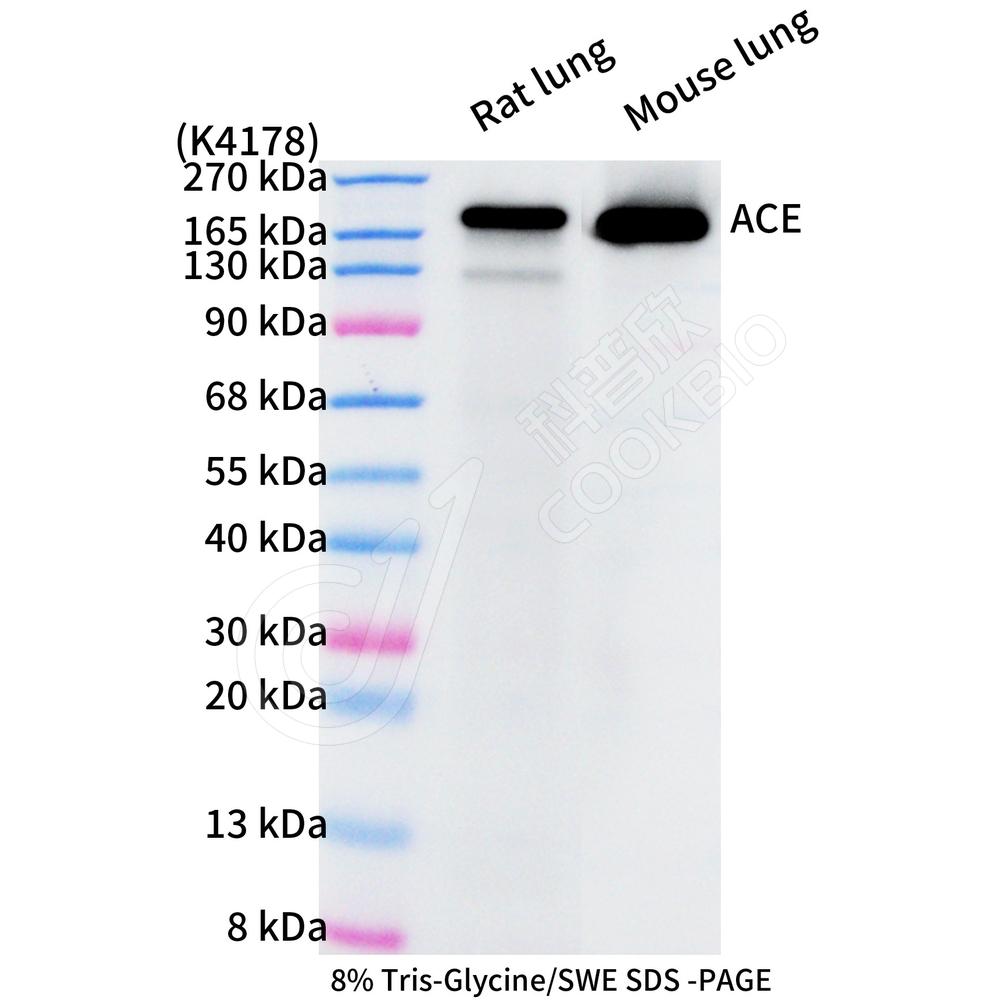
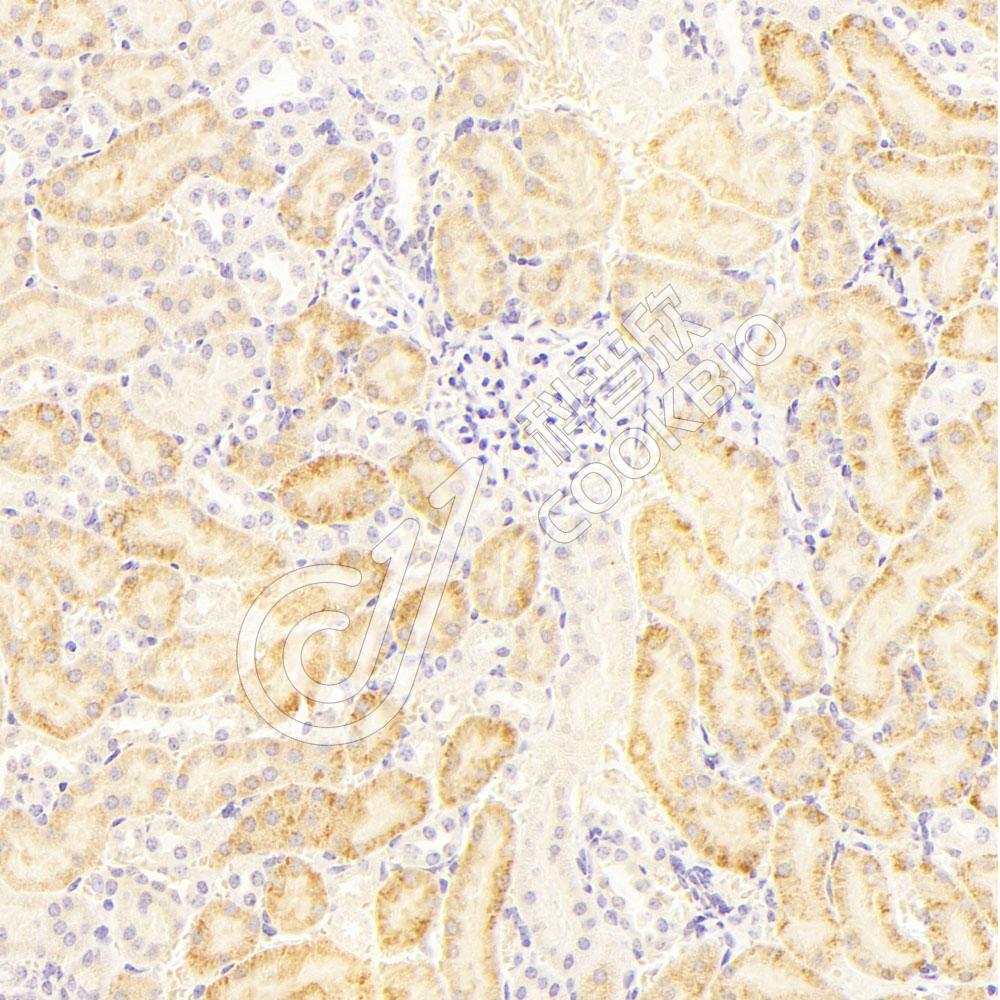
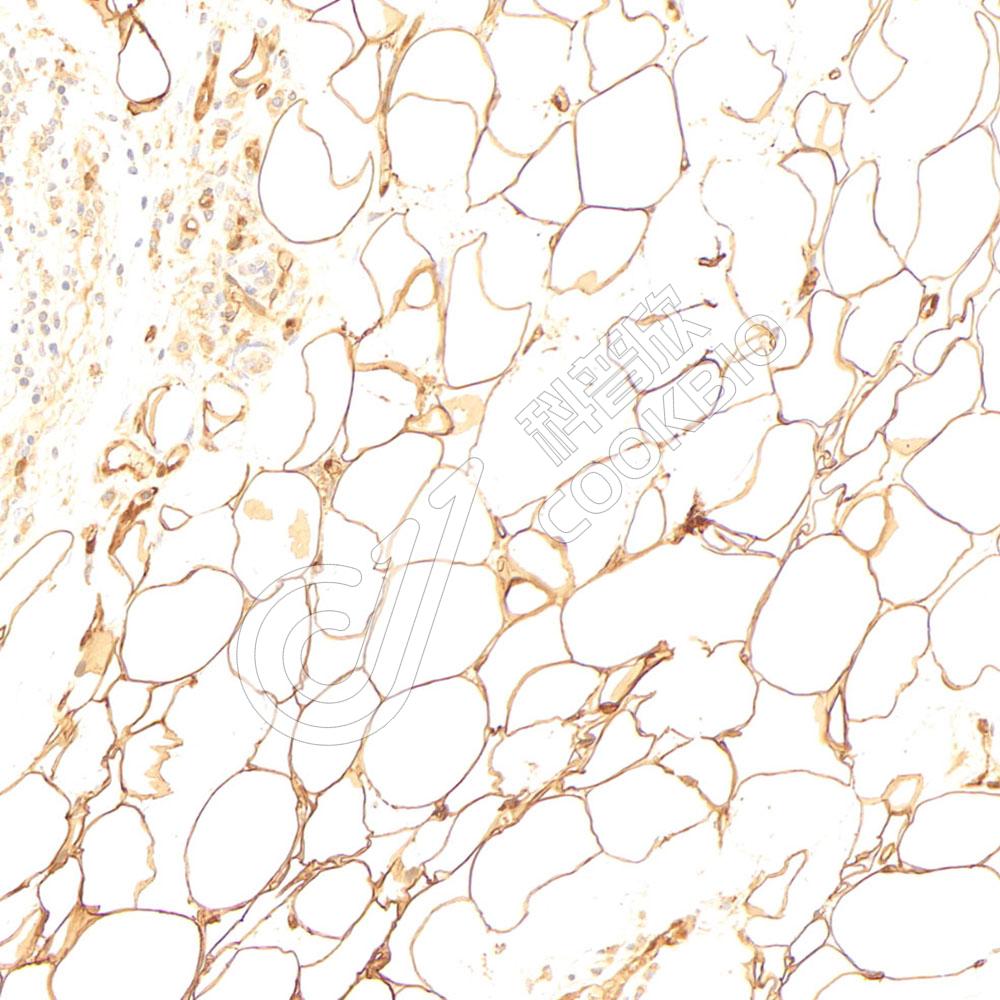
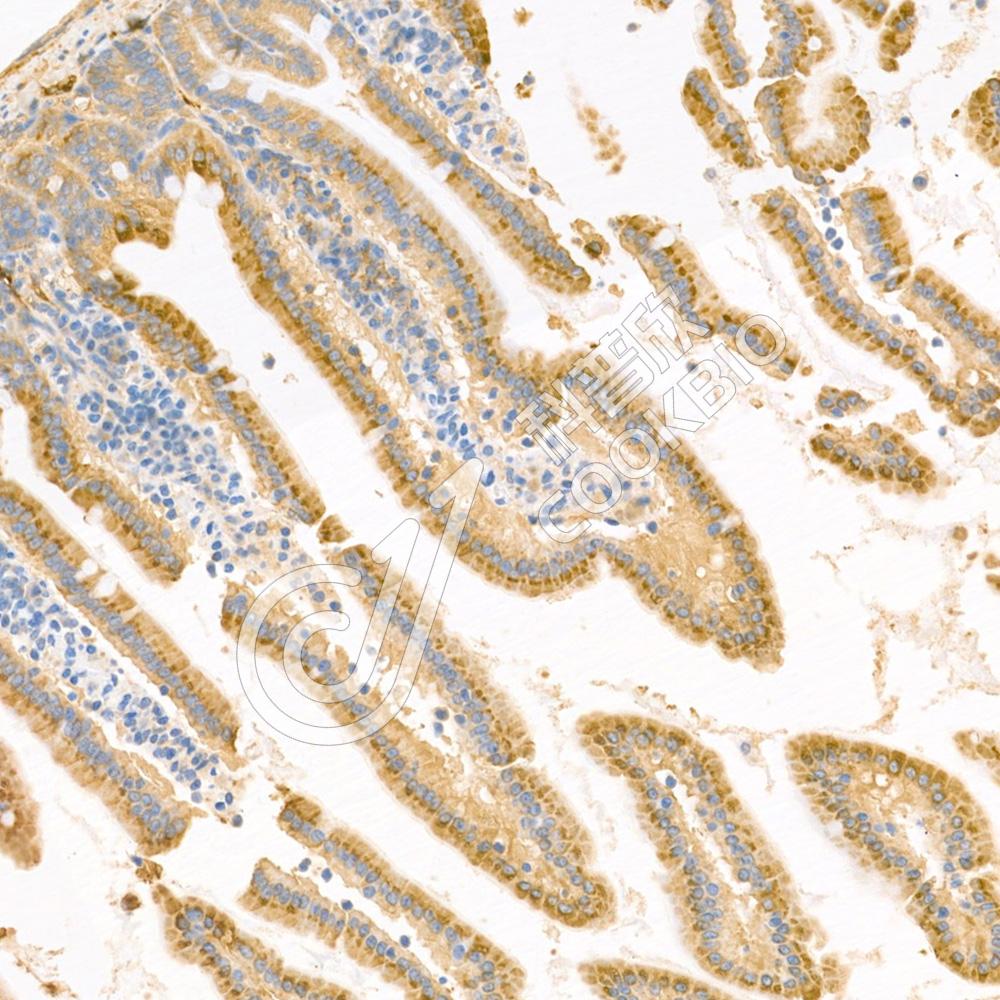
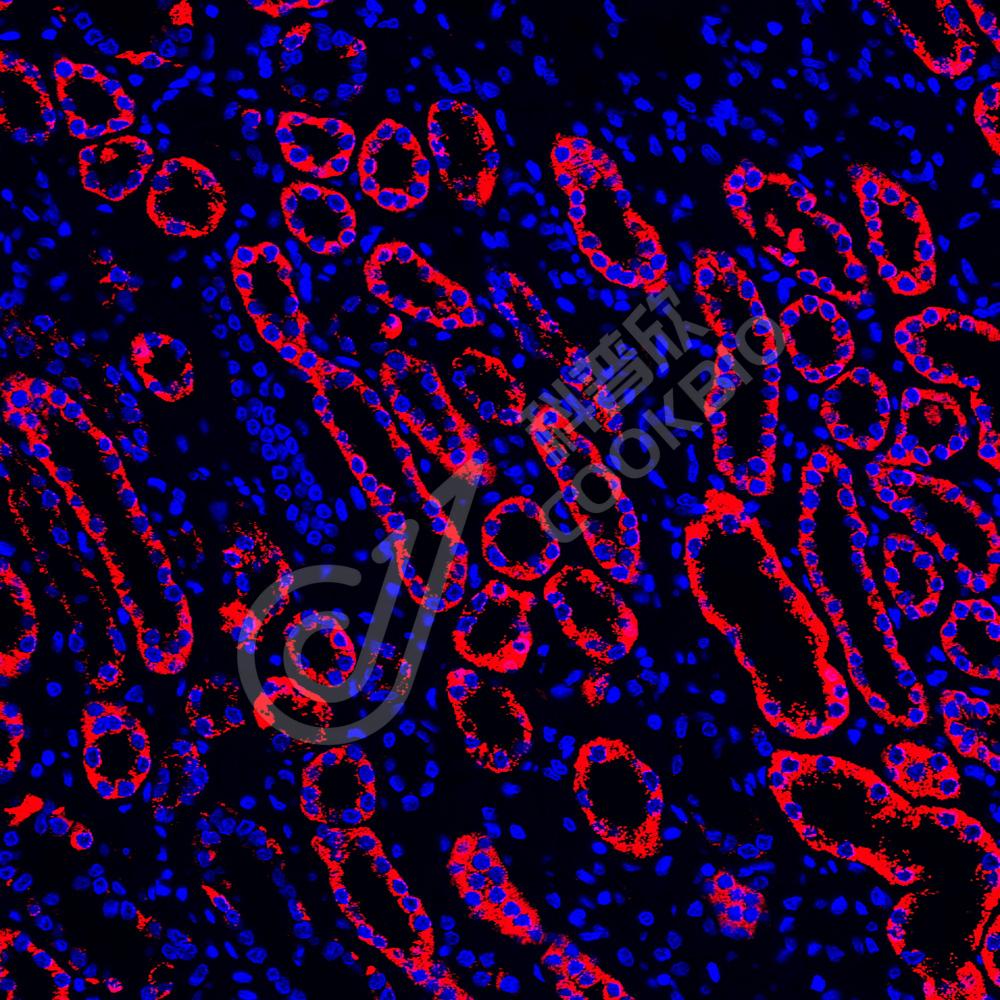
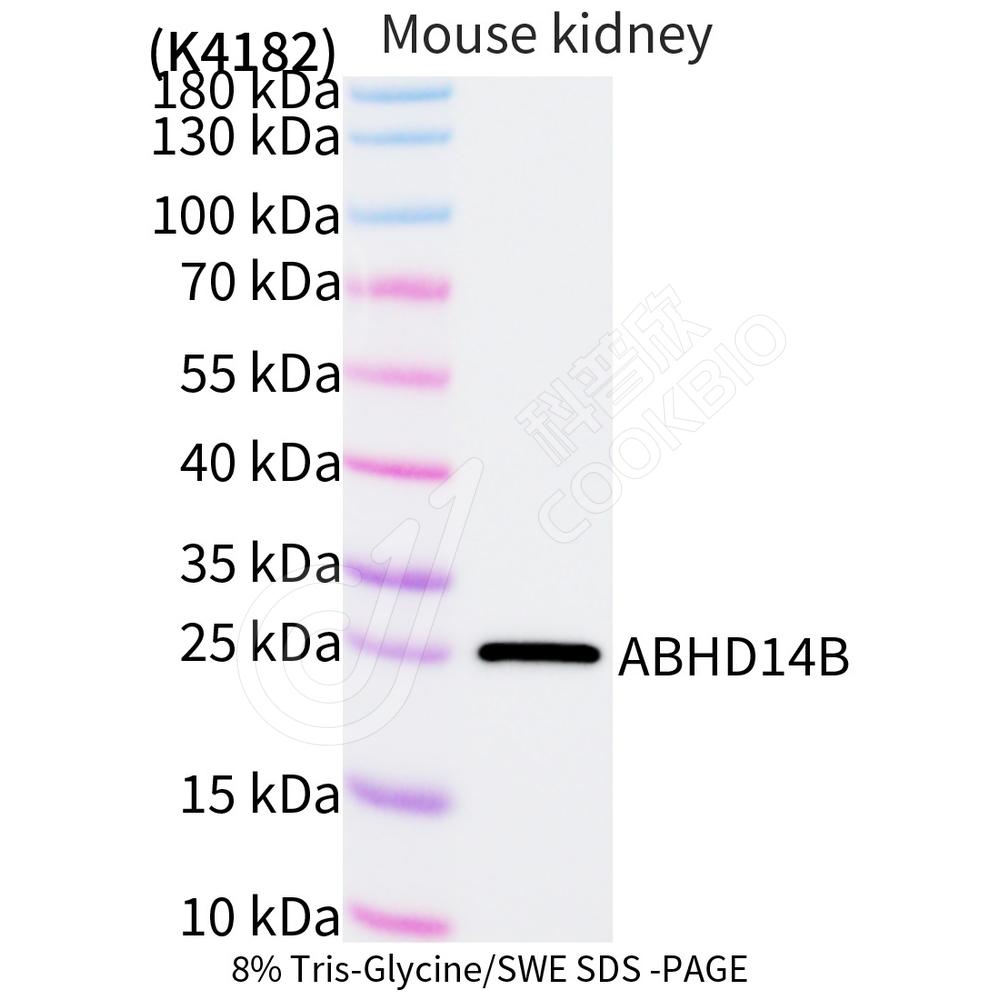
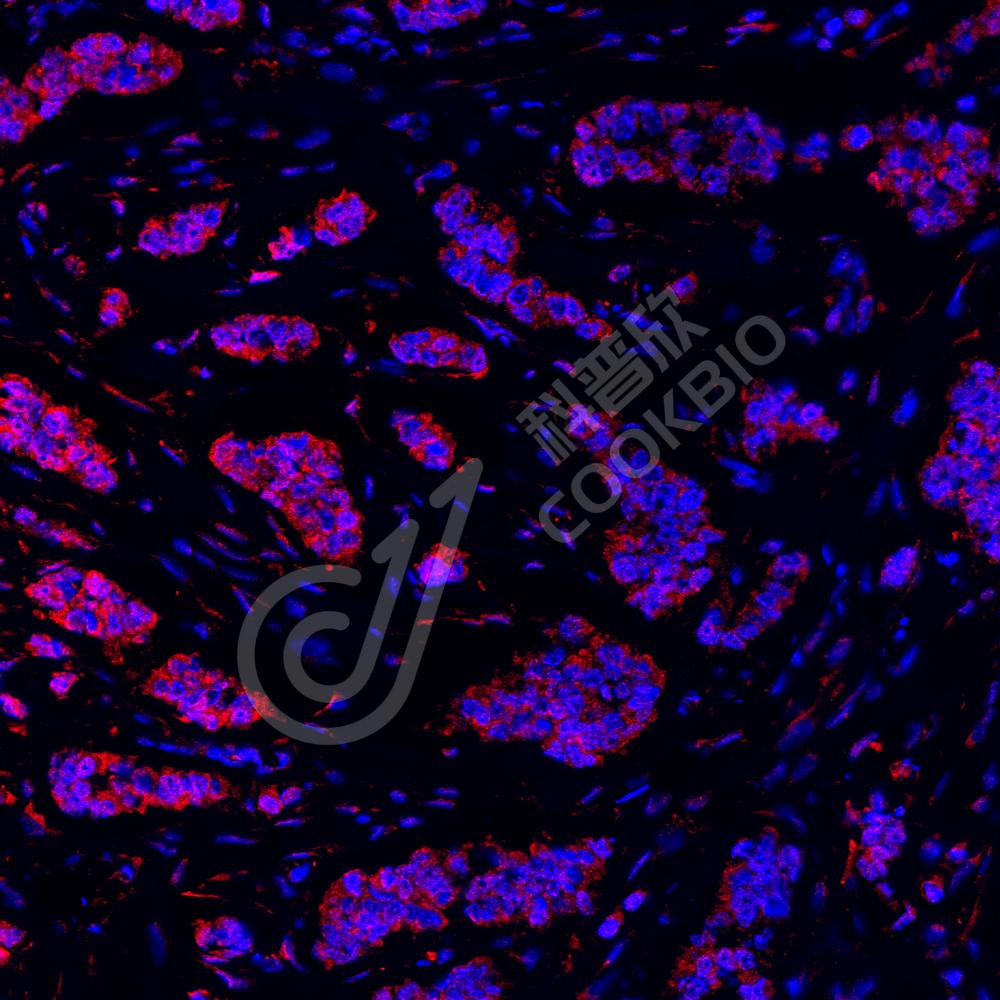
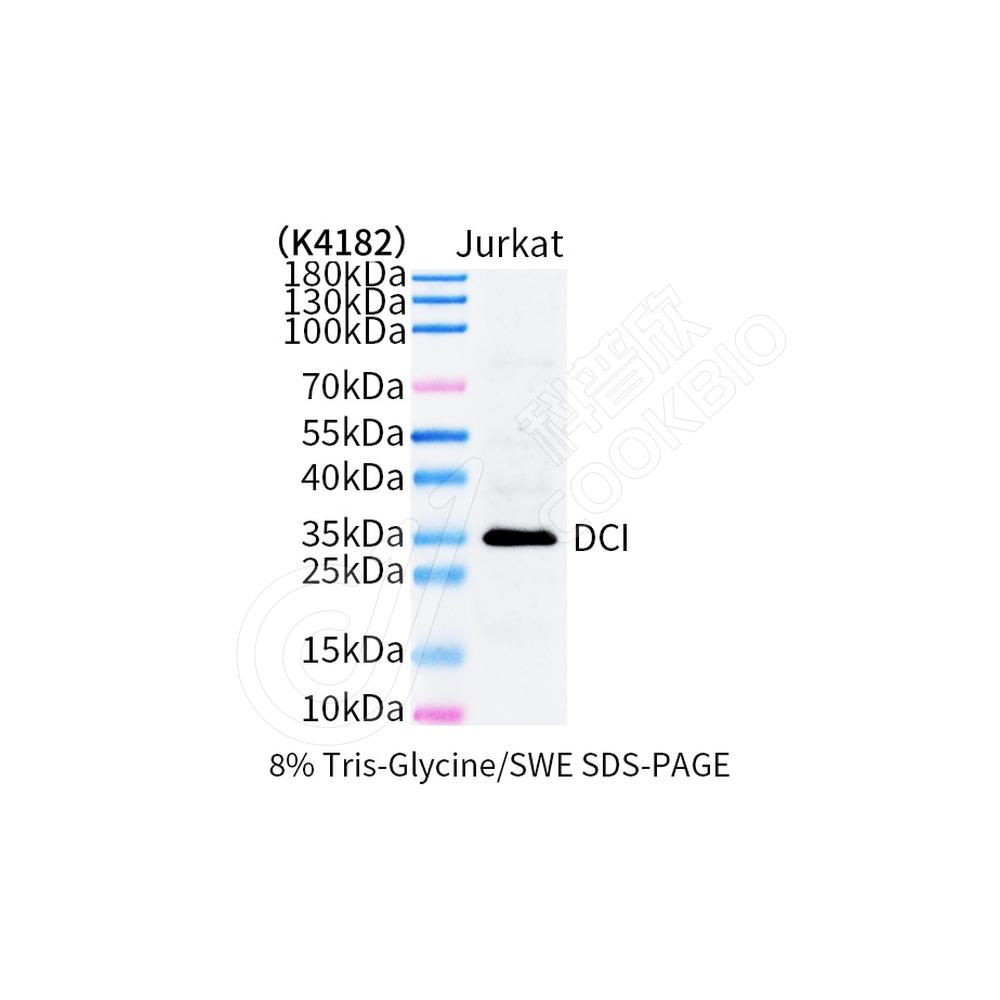
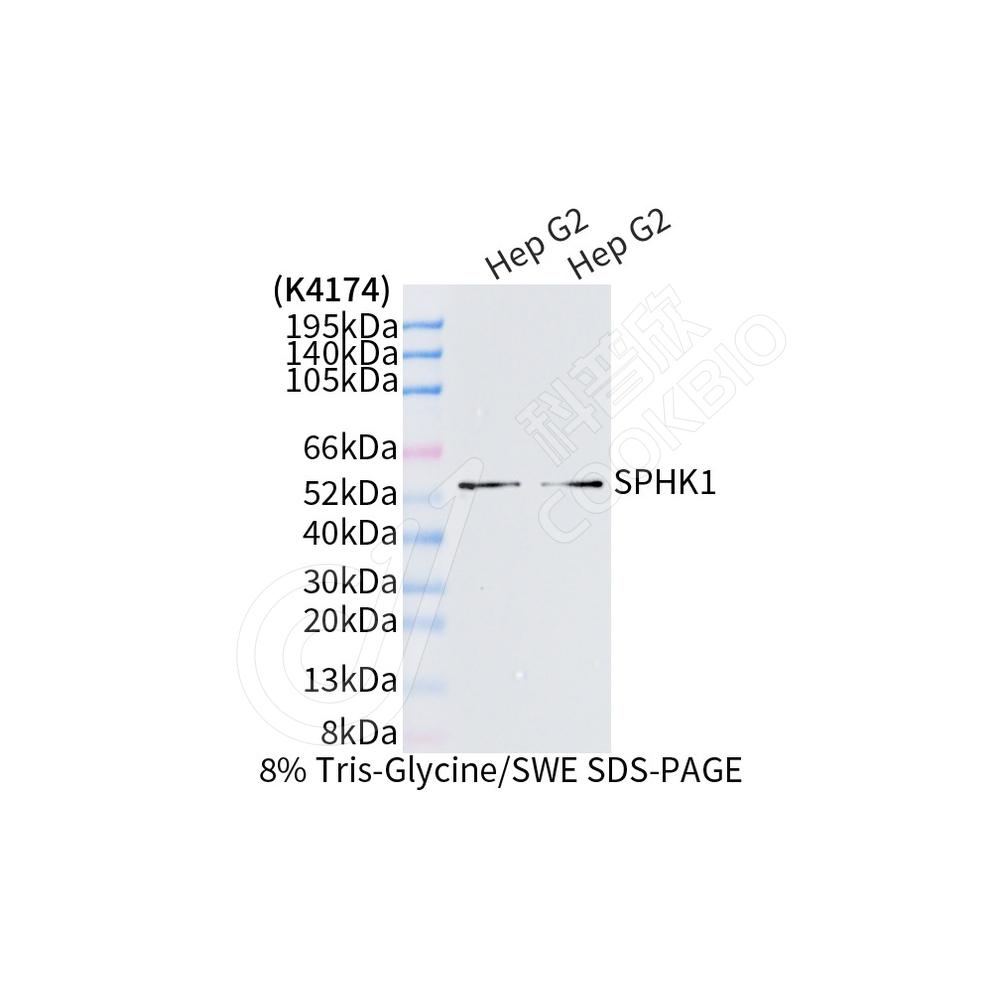
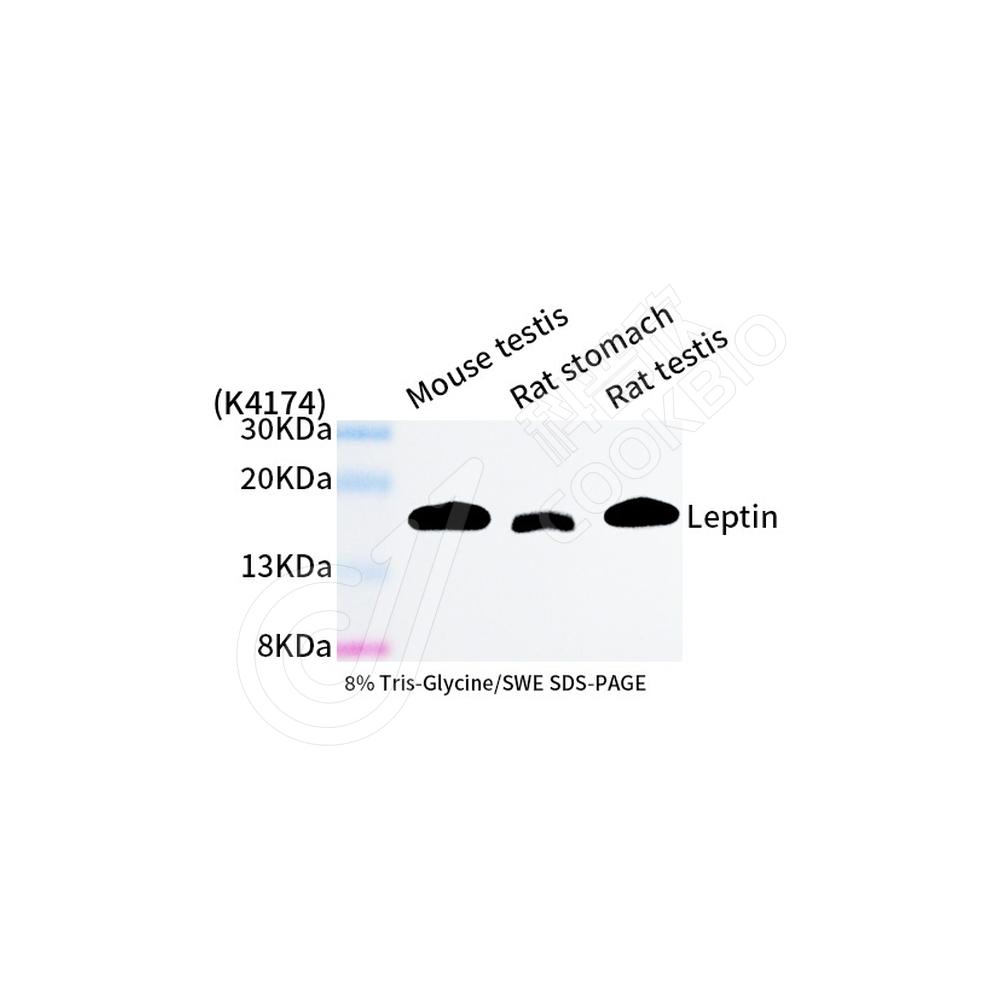
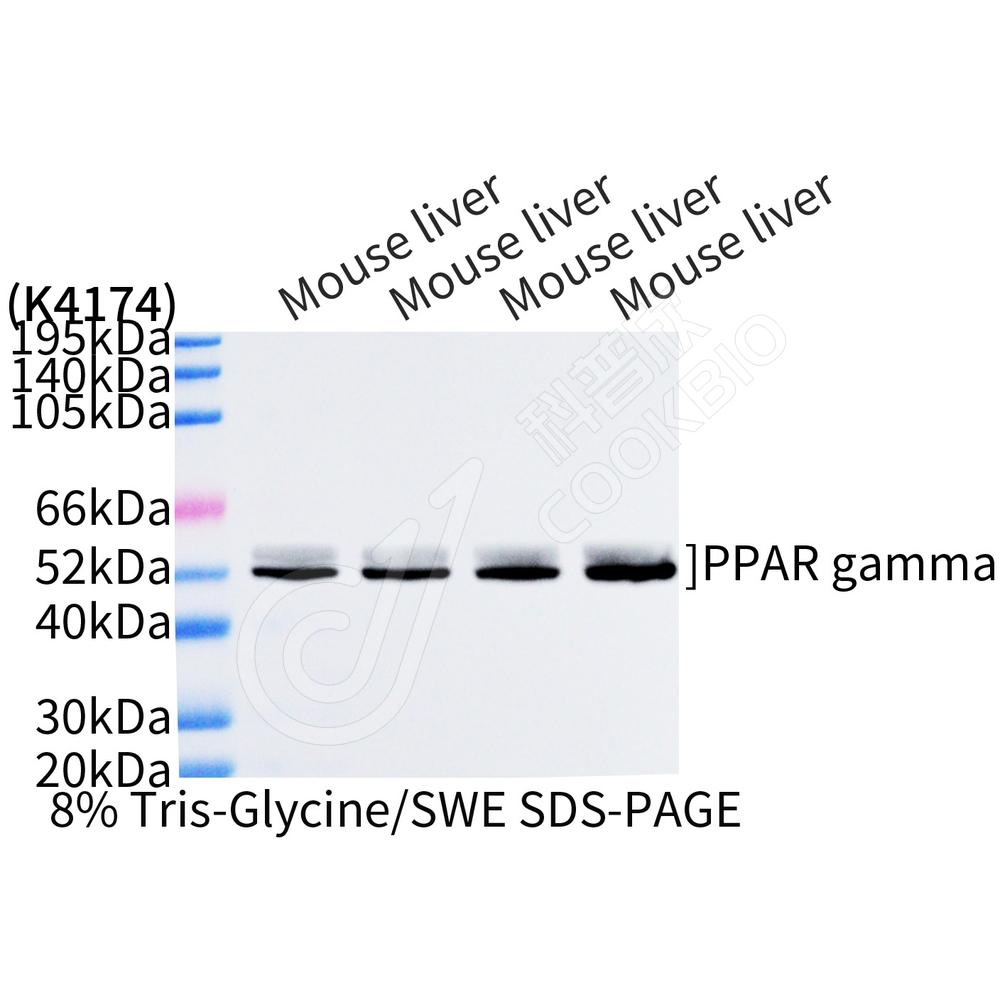

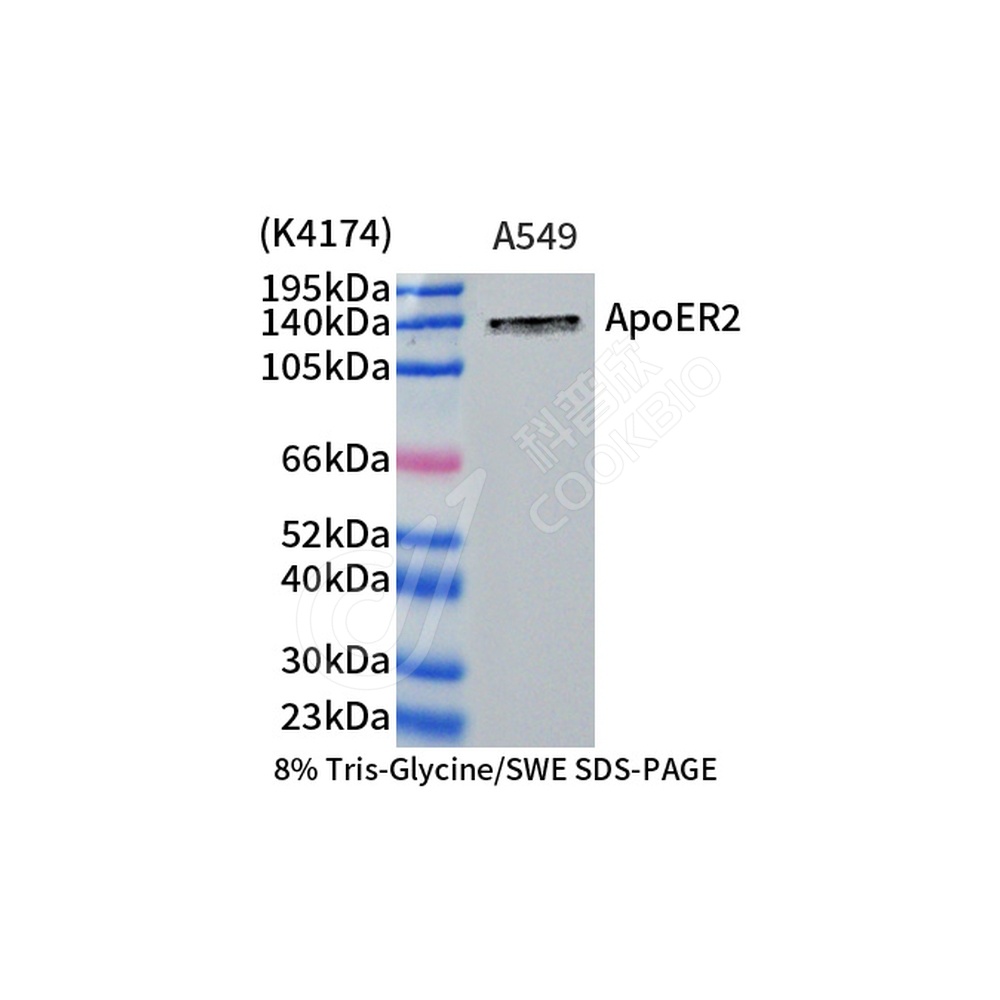
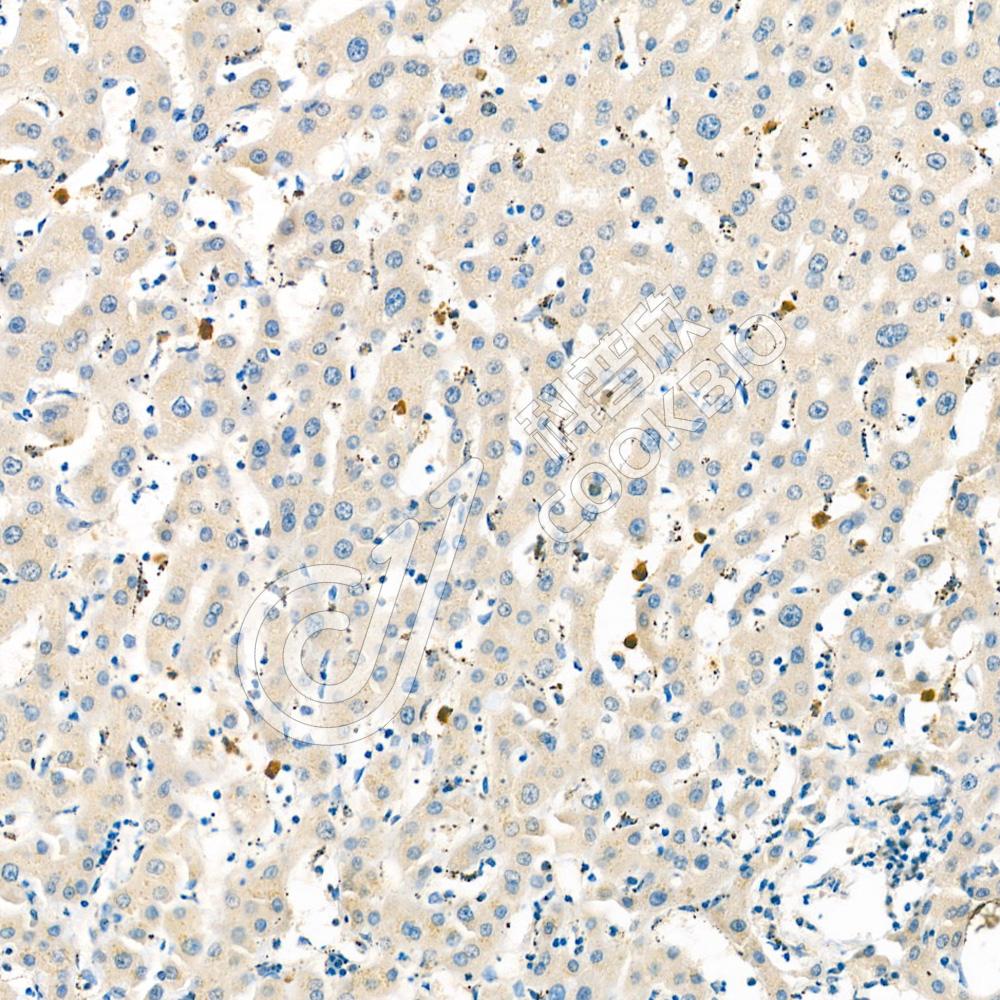
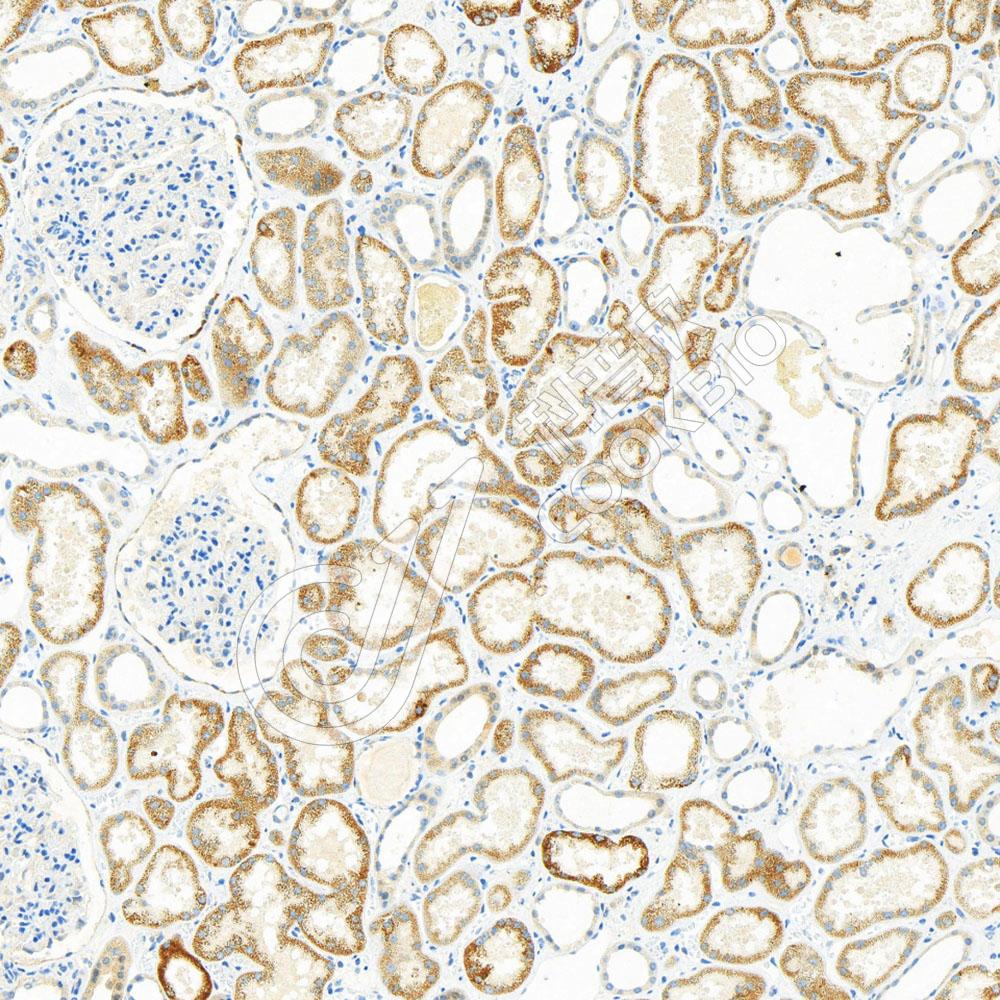
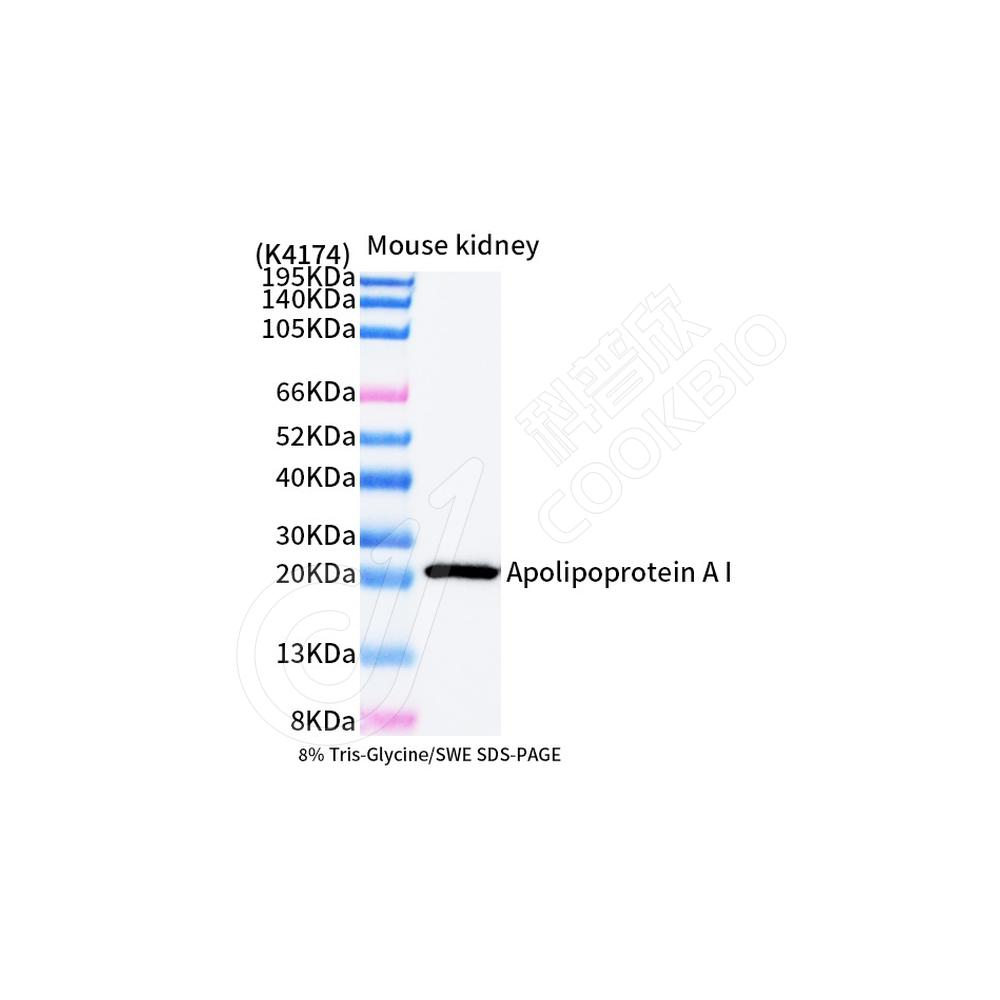
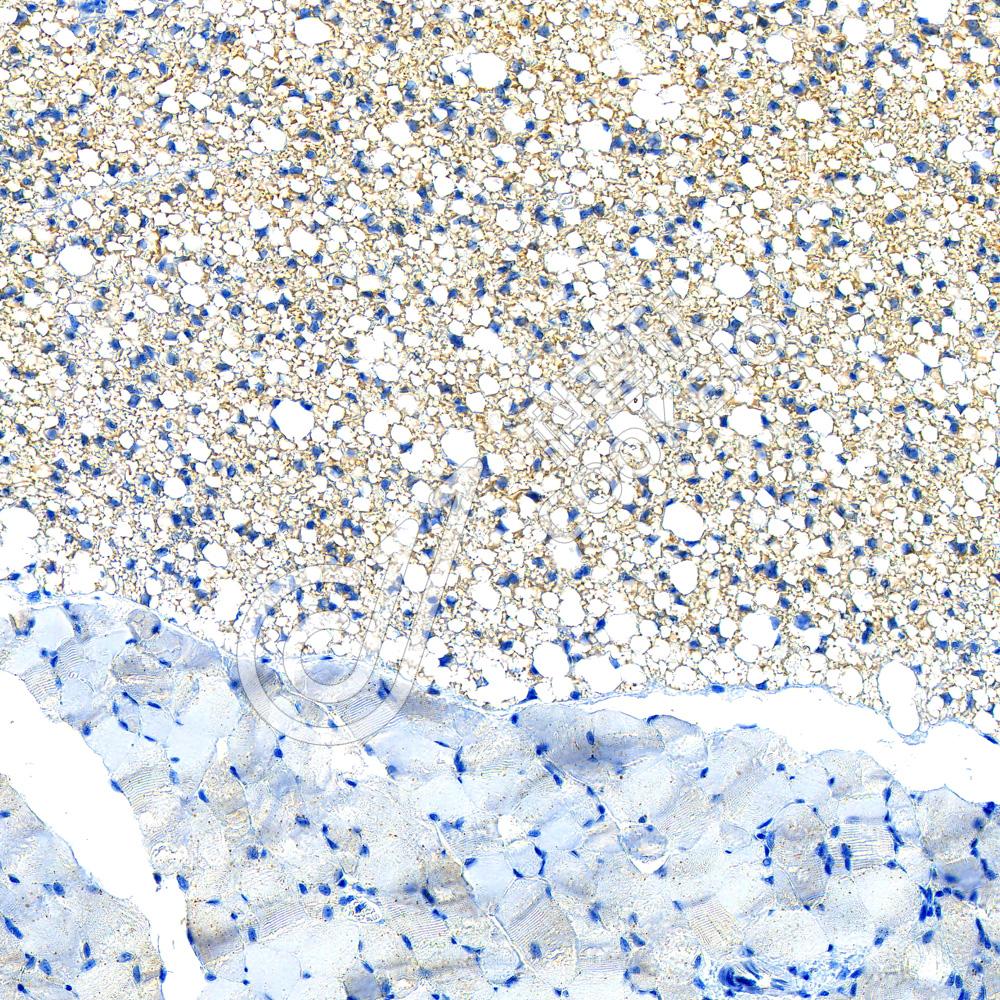
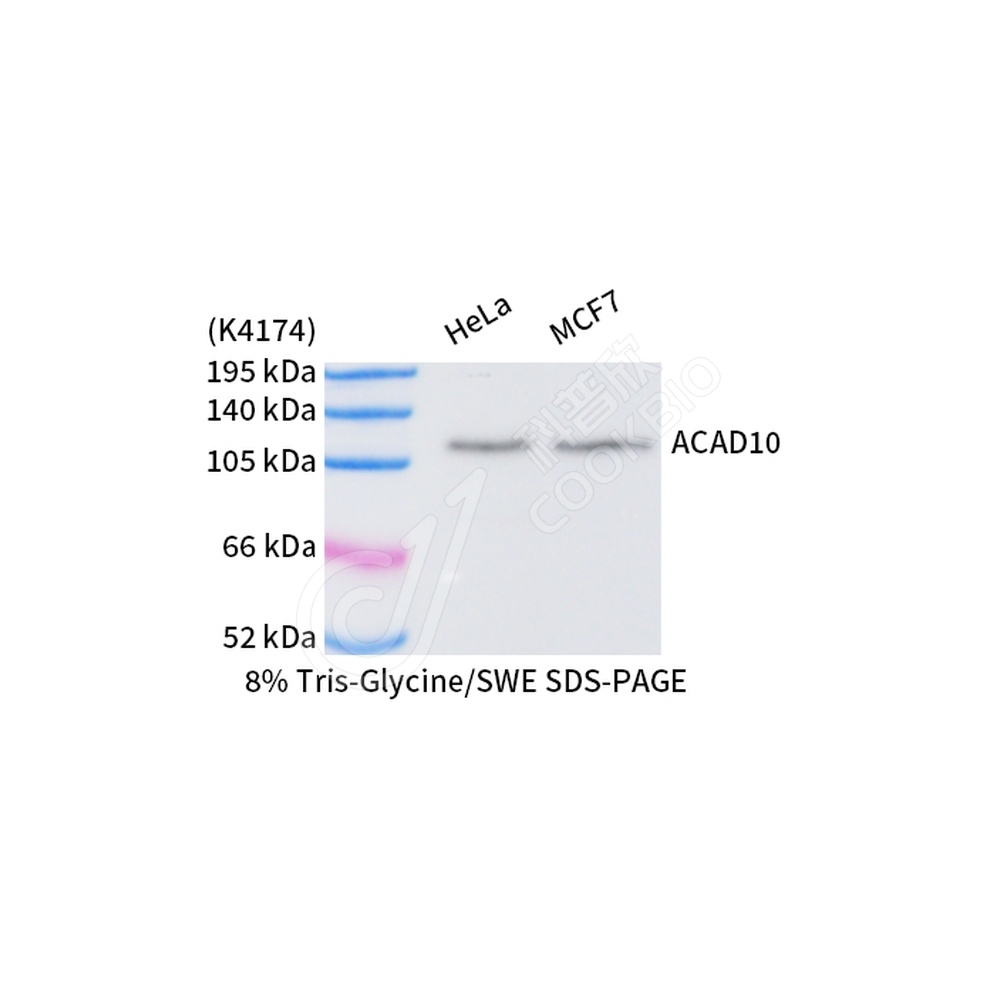
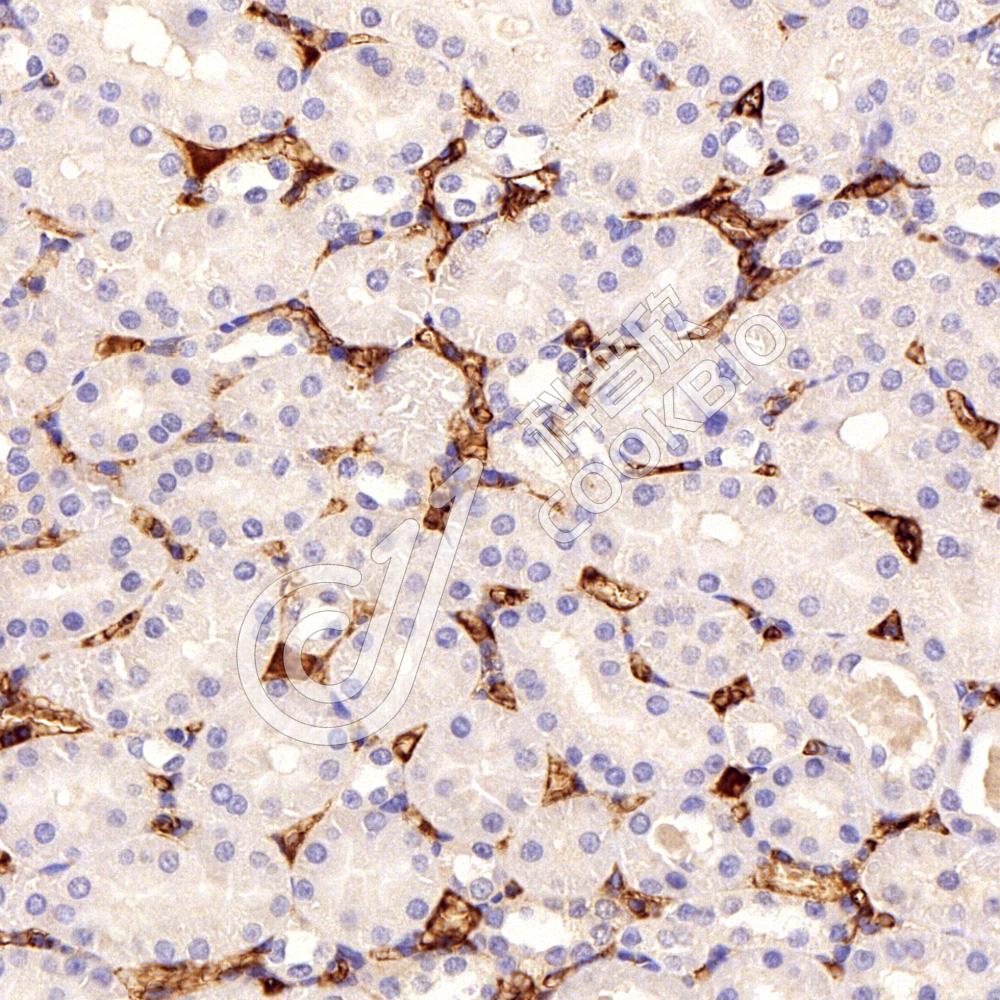
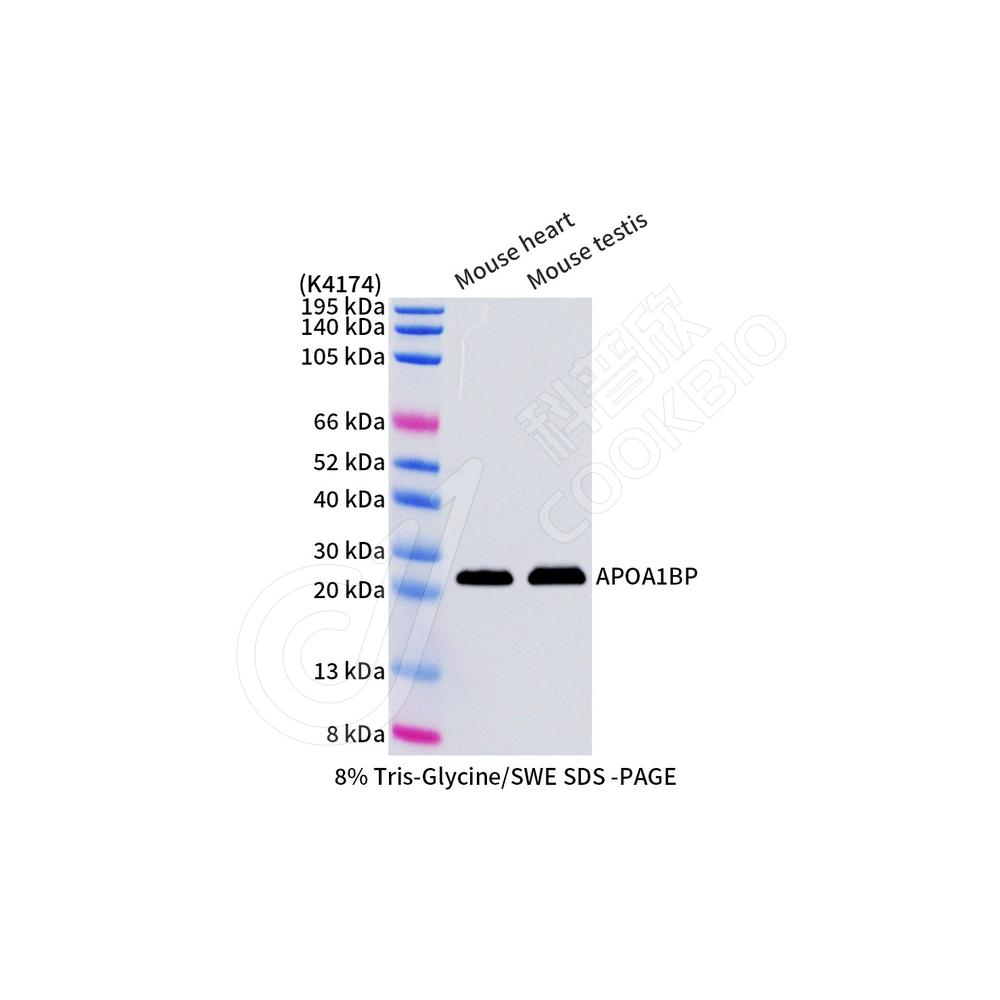
需要技术支持?
如果您有任何问题或如果您在实验过程中遇到问题,或需要更详细的技术指导,请联系我们的技术支持团队
 400-6027-270
联系我们
如果您对我们的公司或产品有任何疑问,欢迎随时联系我们
 湖北省武汉市东湖新技术开发区高新二路388号生物医药加速器22栋5楼
  400-6027-270
  鄂公网安备42018502008544号